Explore at your leisure everything it has to offer
Aqüeductes de can Vilallonga
Cassà de la Selva
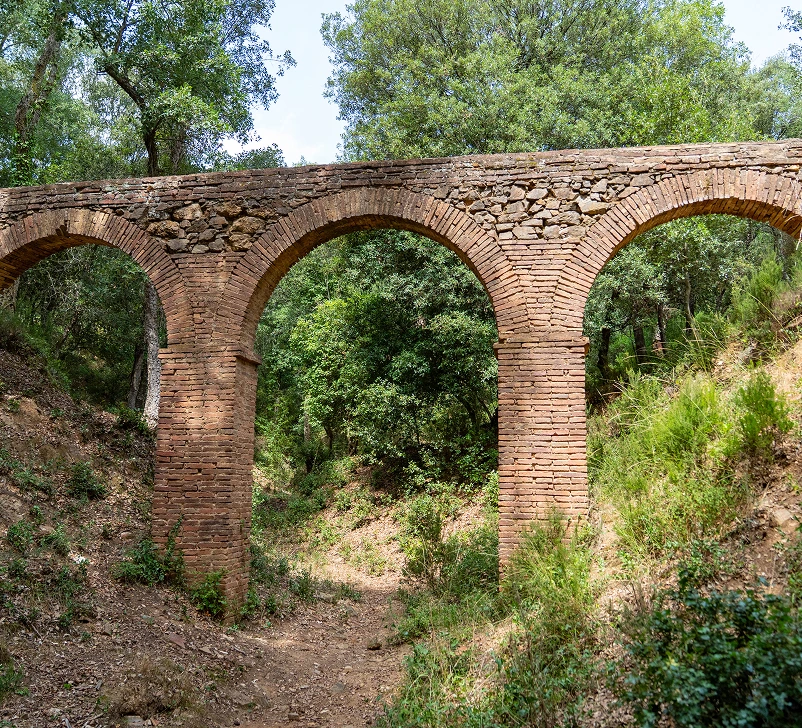
Aqueducts of Can Vilallonga: Heritage site related to the use of water, declared an Area of Ethnological Interest and listed as a Cultural Asset of National Interest. Route to view from the lock to the pond: please refer to the Wikiloc link below.
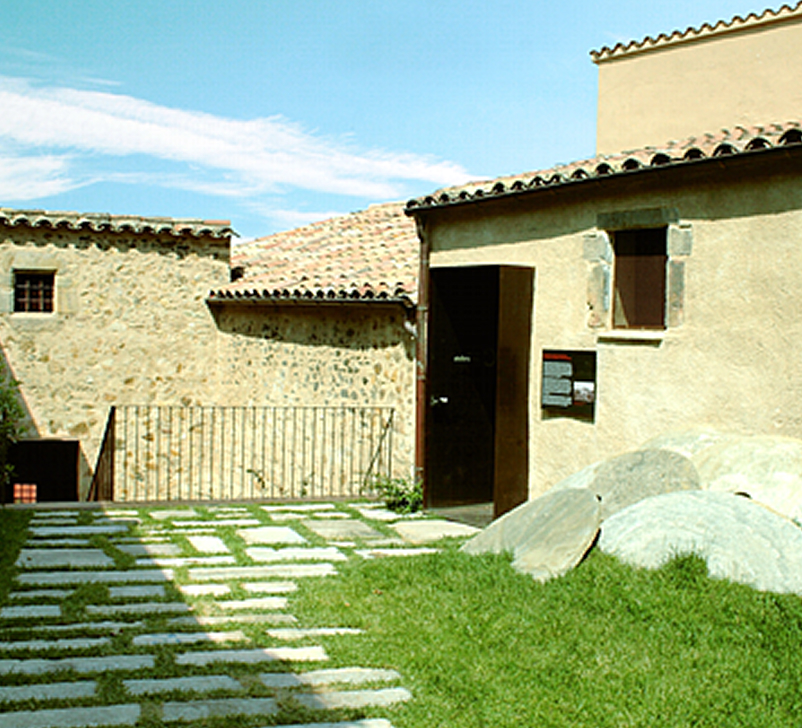
Interpretation centre explaining the agricultural and forestry work carried out in Llagostera and Les Gavarres. It also includes a small space dedicated to the origins of the village.
Castle of Calonge: Historic building declared a Cultural Asset of National Interest, publicly owned and host to the town’s cultural events. An ethnographic exhibition on life in Les Gavarres is planned to open here.
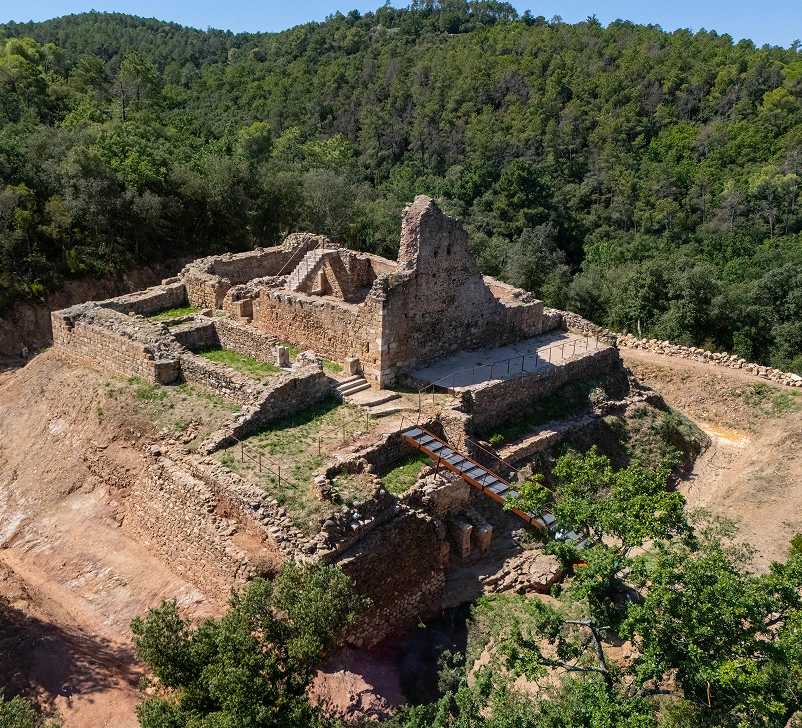
Castle of Juià: It is currently being excavated and studied. Declared a Cultural Asset of National Interest, it formed part of the defensive line of the city of Girona.
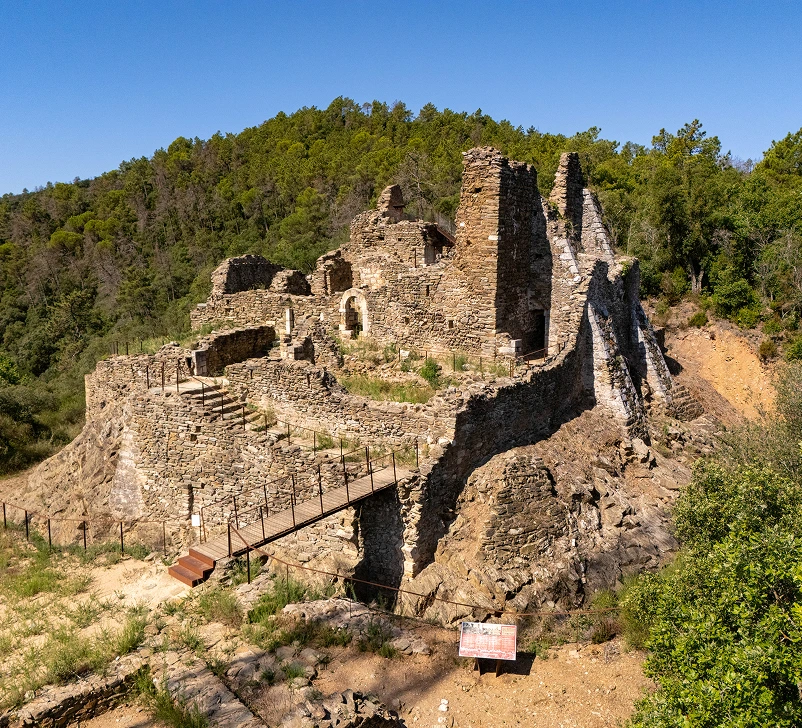
Castle of Palagret: Excavated and consolidated, the castle, declared a Cultural Asset of National Interest, offers an unbeatable view over Les Gavarres. It was part of Girona’s defensive line, along with the castles of Juià and Barbavella.
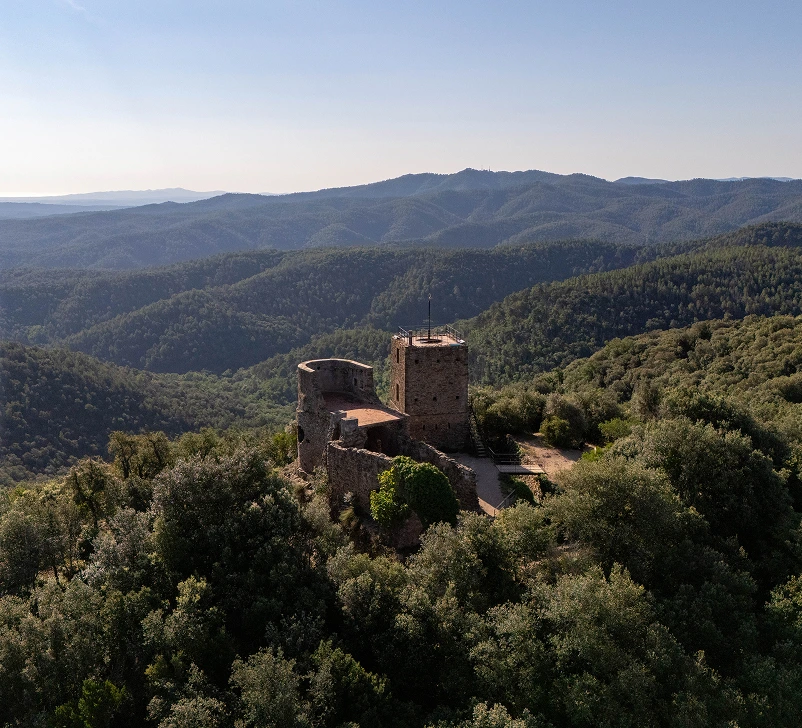
Castle of Sant Miquel: Name used to designate the architectural complex of the Hermitage of Sant Miquel, its fortifications, and the optical telegraph tower, built during the Peninsular War.
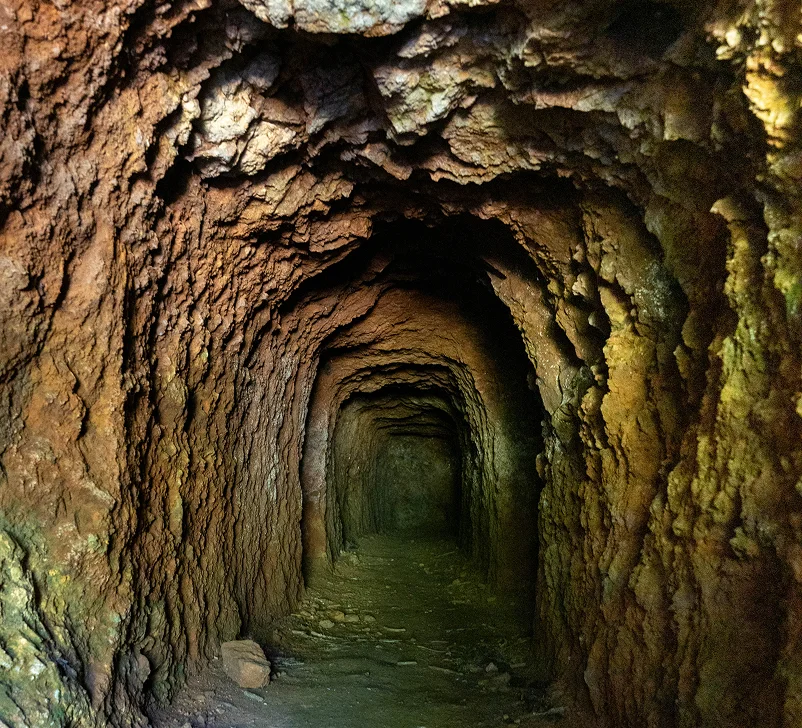
The remains of the iron mining operations in Celrà have been officially recognized as an Area of Ethnological Interest and classified as a Cultural Asset of National Interest. Specifically, this designation includes the galleries, chutes, and loaders of the Niño Jesús and Victoria Esperanza mines. To explore the entire mining complex, you can follow the route in the Wikiloc link provided below.
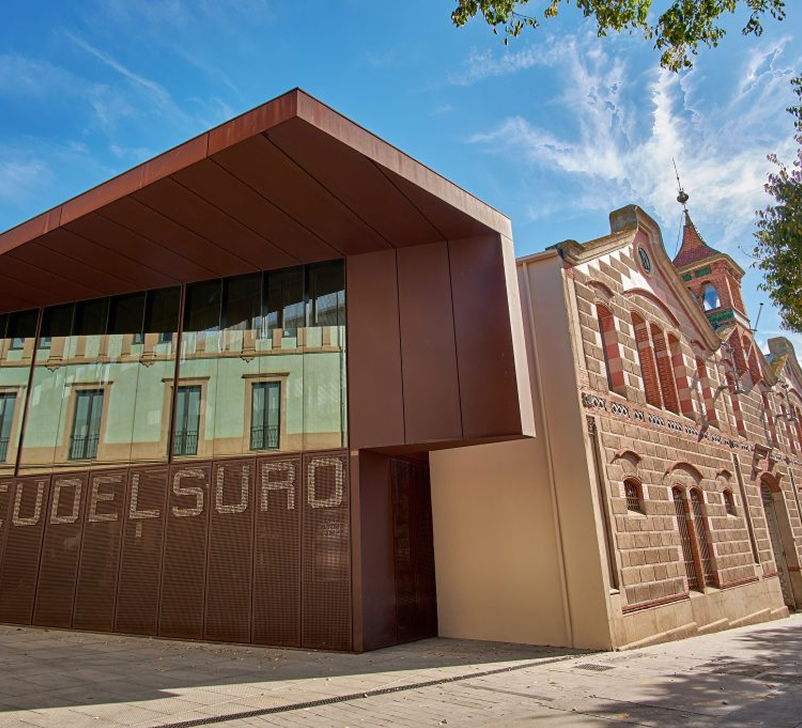
The Cork Museum traces the process of obtaining cork from the forest and explains the history of its manufacture, focusing on its use as a bottle stopper. The historic establishment of the cork industry in Palafrugell would not be understood without its proximity to Les Gavarres.
Sant Sadurní de l'Heura (Cruïlles, Monells i Sant Sadurní de l'Heura)
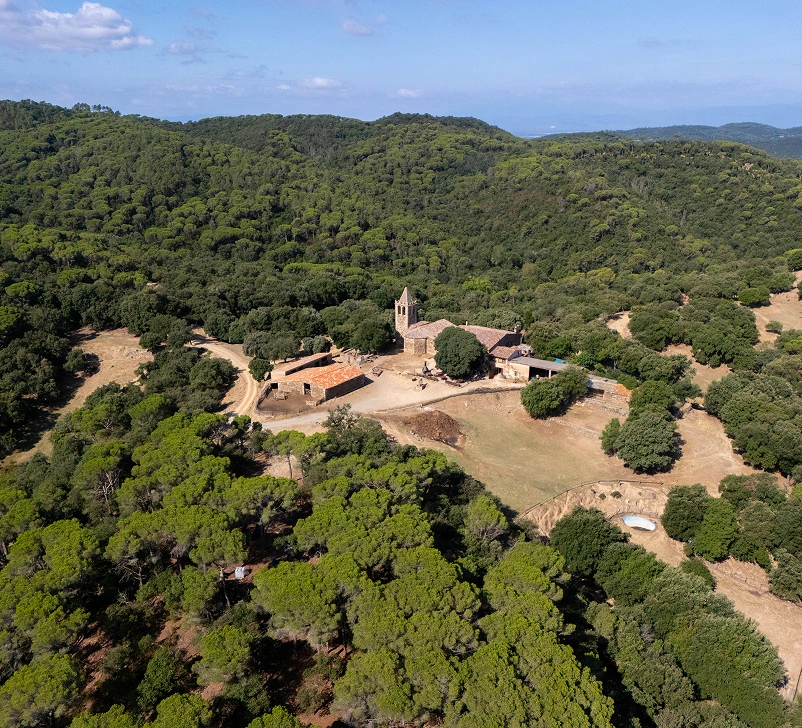
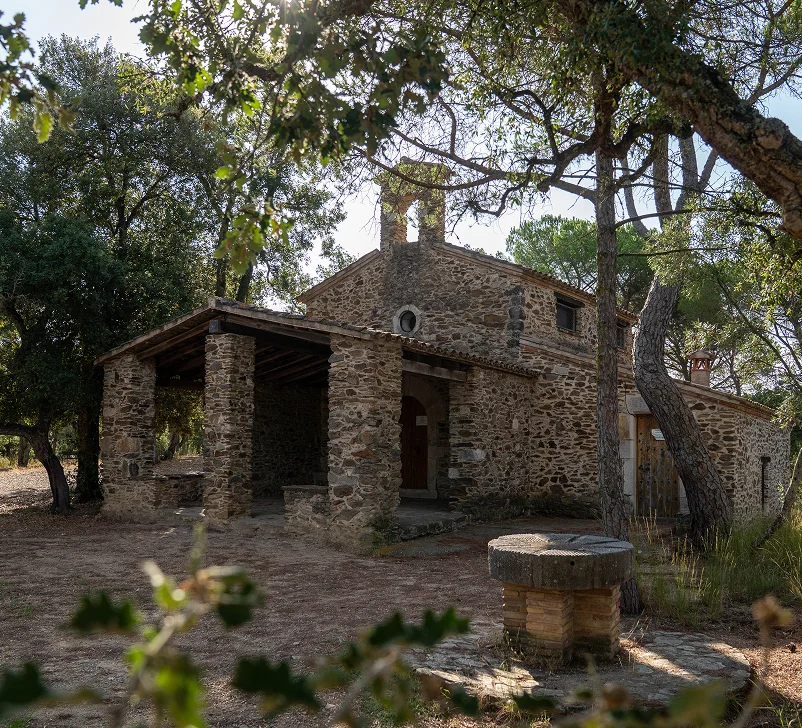
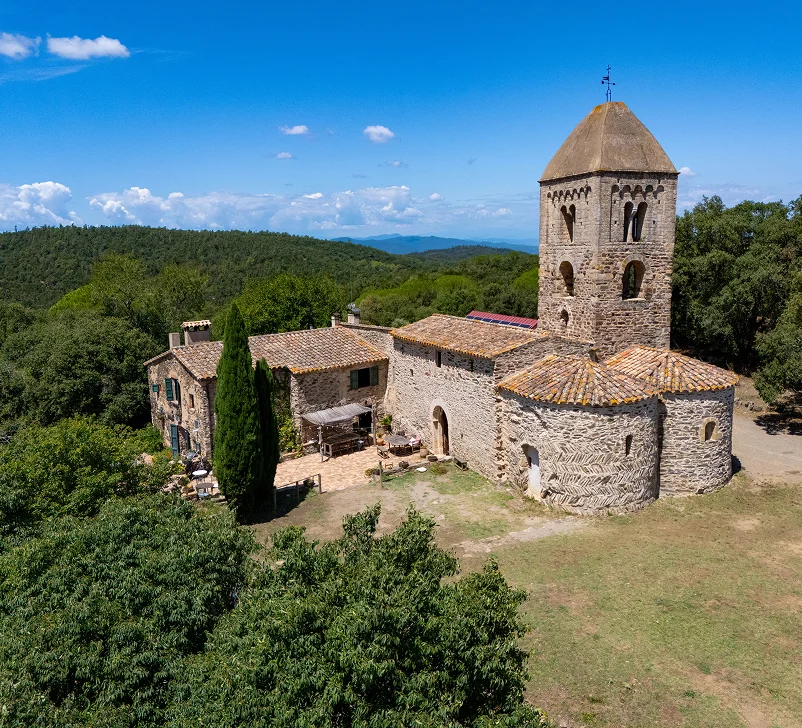
The "Els Metges" complex consists of the church dedicated to Saint Cyprian, with a chapel to Saints Cosme and Damià; a restaurant; and a barn for keeping livestock. The combination of these three buildings gives the site a special interest for visitors to Les Gavarres.
Church of Sant Cristòfol del Bosc: One of the hidden gems of the Gavarres. It remains unclear whether this was the original parish church of the village of Llambilles or if it has always been a hermitage. Today, it is one of the most popular public sites in the massif.
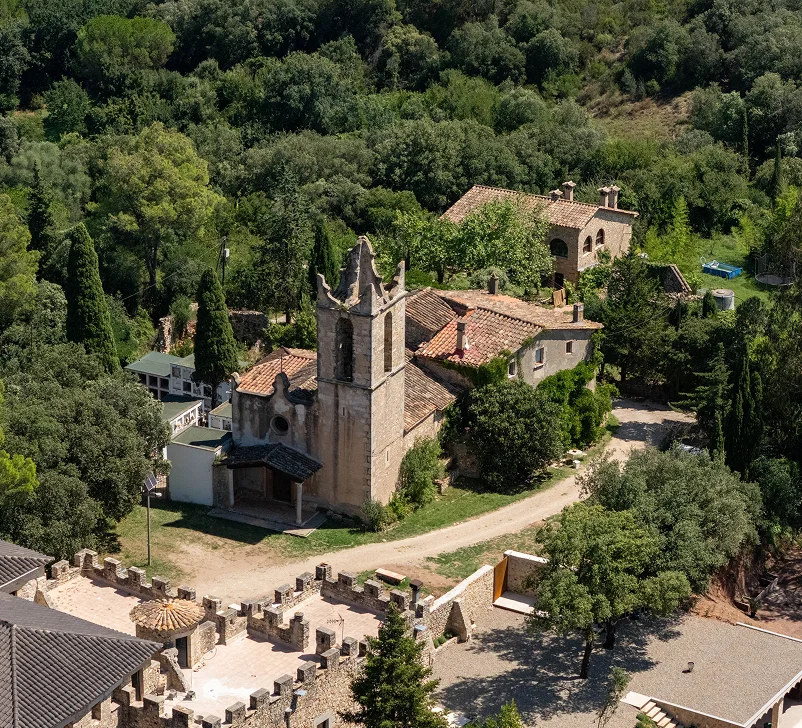
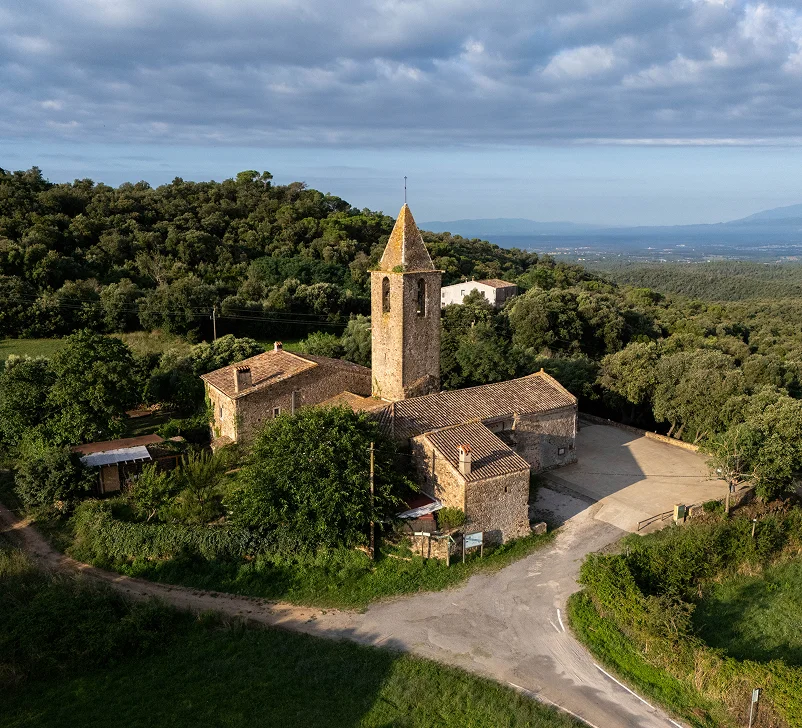
Church of Sant Jaume de Campdorà: It is a church with the bell tower next to the facade. On the other side lies the cemetery. And behind it the rectory. Originally Romanesque, the building was modified in the 18th century.
Church of Sant Mateu de Montnegre: The image shows a partly overgrown but restored religious temple. The restoration works were completed in 2018. The building features buttresses on its right side, built to address the structural problems the temple has had since early times.
Church of Sant Mateu Vell: Legend has it that during a mass, the bleating of a white goat made the congregation leave the church; once everyone was outside, the building collapsed. Repairing it was too costly, so a new church was built on the plain. This old parish church has since been restored and repurposed as a municipal facility.
Church of Santa Coloma de Fitor: Consecrated in 949, it is one of the most beloved churches of Les Gavarres. A central meeting point for hikers and cyclists, today it also serves as a good refreshment stop thanks to the bar in the rectory.
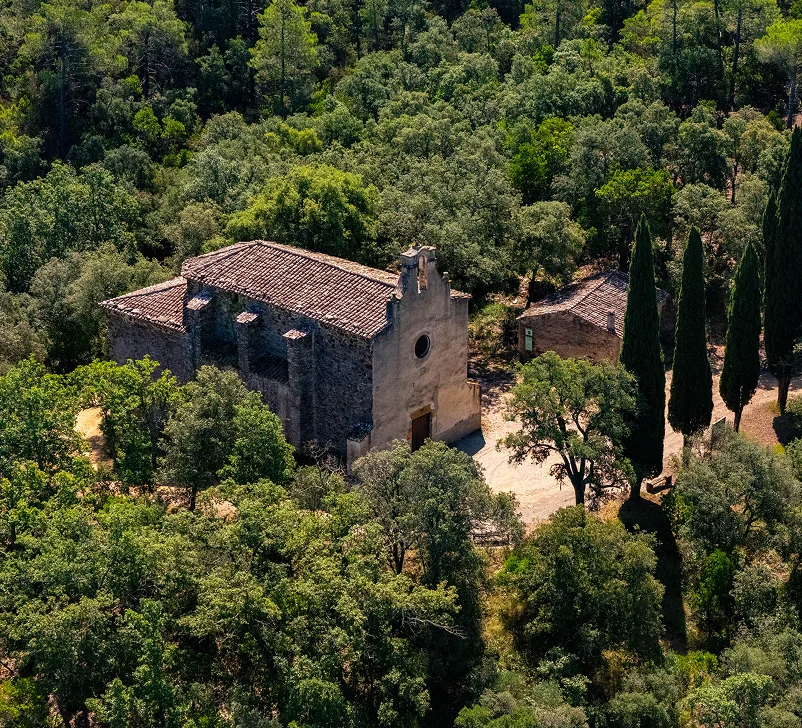
Church of Santa Llúcia d’Arboç: The hermitage of Santa Llúcia was built in 1717 on the site of an earlier 13th-century temple dedicated to, and known as, Sant Nazari de la Ganga. The main features are its whitewashed façade with arched entrance doorway, rose window, and bell gable crowning the top. The single-nave temple is seen half in profile, allowing a view of the lateral buttresses. In the foreground stands the building used as a refuge.
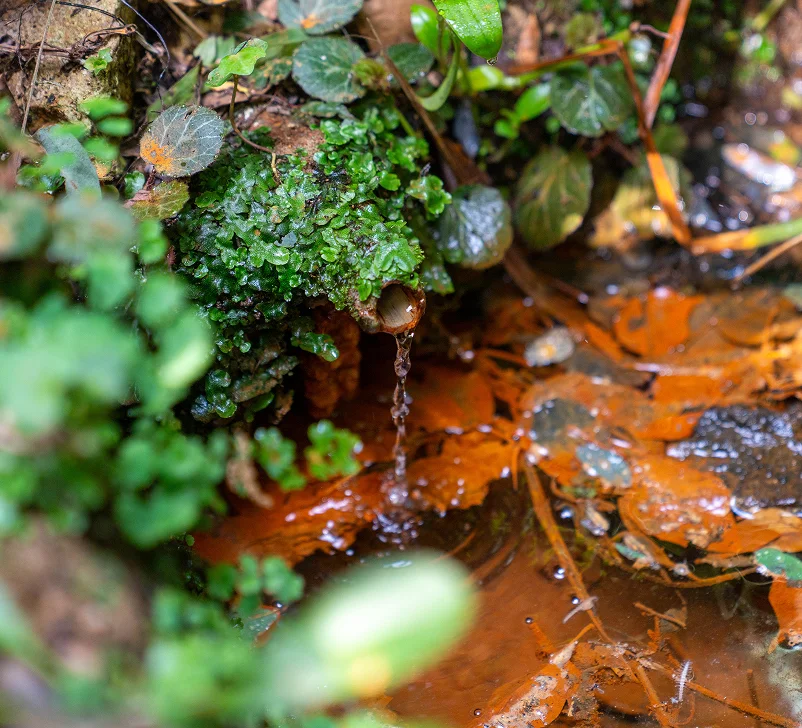
Madremanya Mineral Spring: Spring declared an Area of Ethnological Interest, in the category of Cultural Asset of National Interest. The spring is located within a ruined building, the old bottling plant, since at one time its waters were sold under the name ‘Manantiales de Ntra Sra de los Ángeles, agua mineral natural Madremaña,’ meaning Springs of Our Lady of the Angels, natural mineral water from Madremanya.
The summit of Montigalar is located in the Montnegre sector, within a 58-hectare public forest estate. It is a site of great interest both for its biodiversity and for its tradition of public use, being a landmark for hikers thanks to the magnificent views, especially from the nearby Balcó de les Bruixes (‘Witches Balcony’) viewpoint, reached by following the ridge downwards. Access to the summit is via the trail that starts at Coll del Portell.
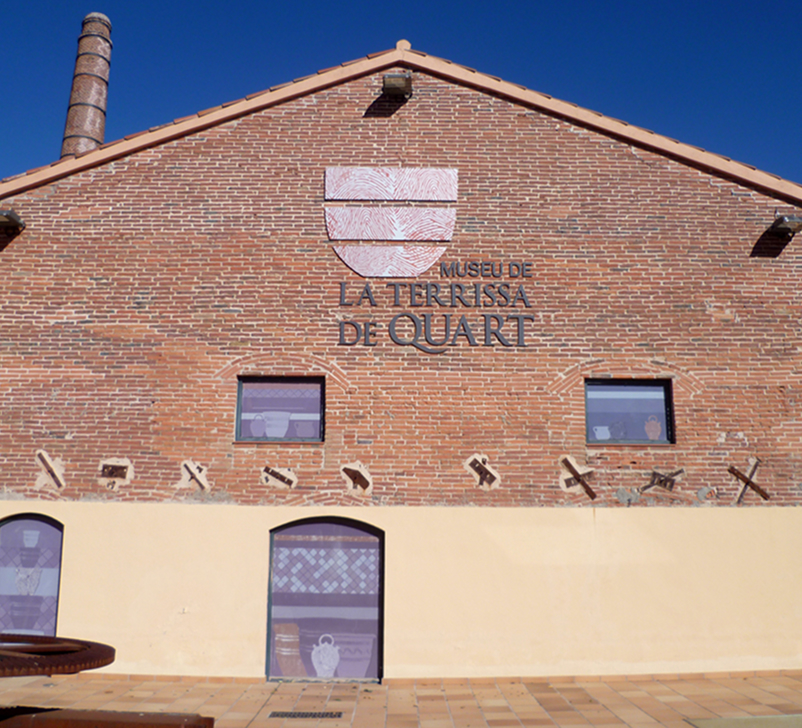
In the space of a former brickworks (bòbila), the village of Quart presents both past and present testimonies of this craft activity and what it has meant for the town. Both in terms of raw material and fuel, the connection with Les Gavarres is clearly evident.
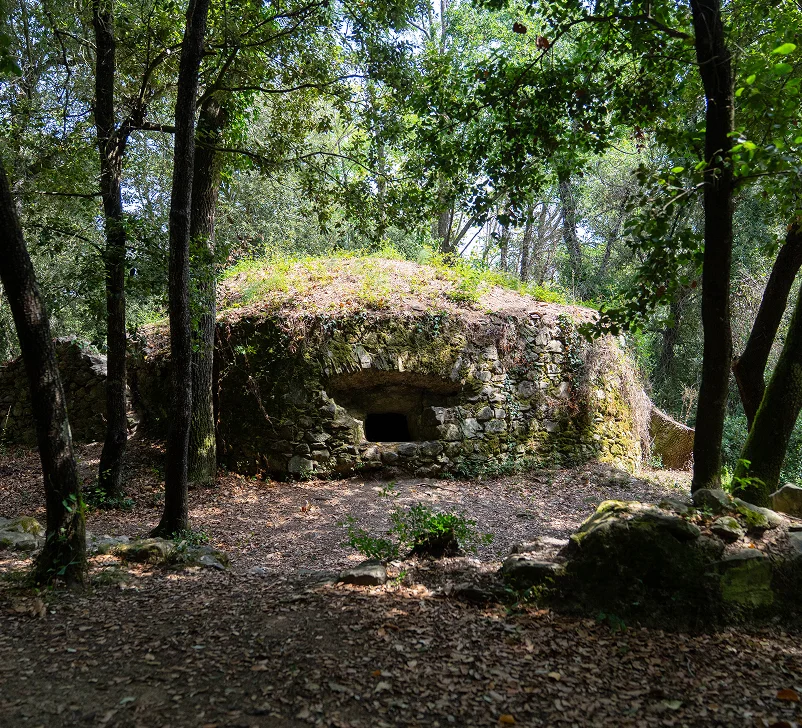
Ice Cave of the Font d’en Salomó: Ice wells proliferated in Les Gavarres in the 17th century. As a representative example of this activity, this pair of wells was declared an Area of Ethnological Interest, in the category of Cultural Asset of National Interest.
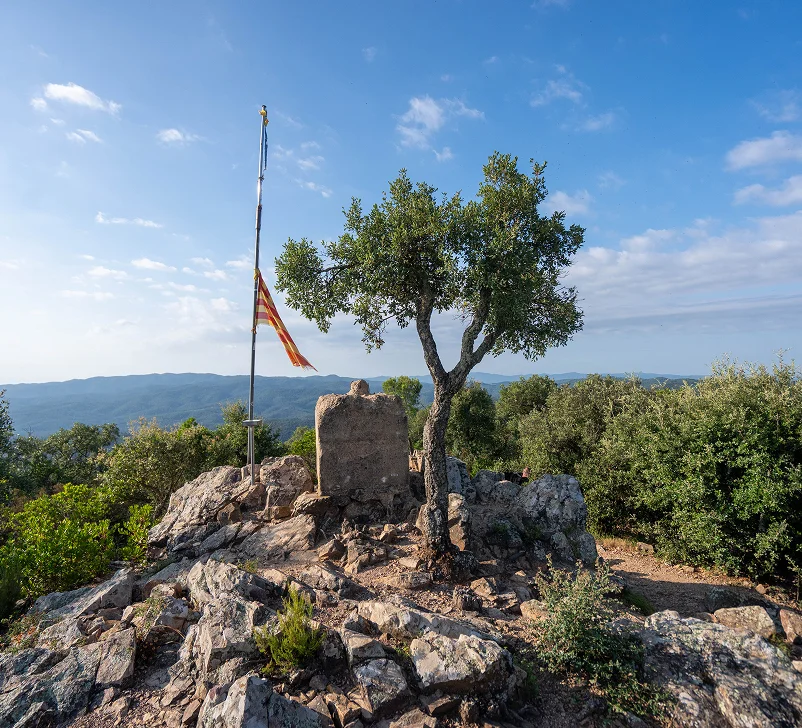
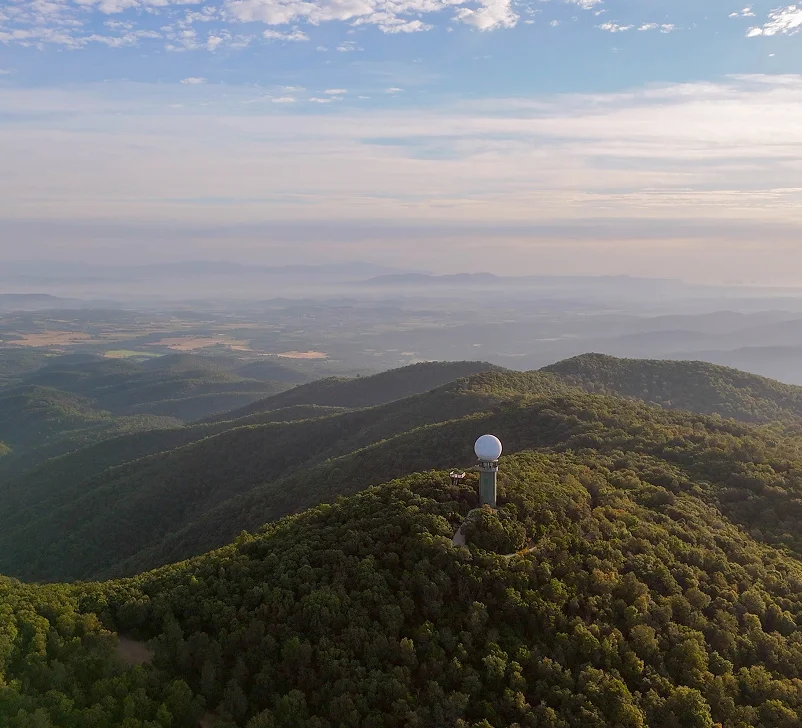
This is the most popular summit in Les Gavarres, though it has been mistakenly identified as the highest in the massif, a title that actually belongs to Puig Aiguaró, at 533 m. This peak is easily recognised by the weather radar; you will also find a lookout tower and a Catalan gallery-type dolmen.
Romanyà surroundings (“Cova d’en Daina Dolmen” and the “Suro Gran de l’Almeda”)
Romanyà de la Selva (Santa Cristina d'Aro)
Excavated by Lluís Esteva, this is one of the largest dolmens in Les Gavarres. The funerary monument dates back to the Neolithic (2700–2500 BC) and is listed as a Cultural Asset of National Interest. Nearby stands a monumental cork oak "Suro Gran de l'Almeda" that shows signs of having been stripped right up to its branches. This is not typical of Les Gavarres cork oaks, which, due to their size, are usually only stripped along the trunk. This is therefore one of the largest specimens in Les Gavarres.
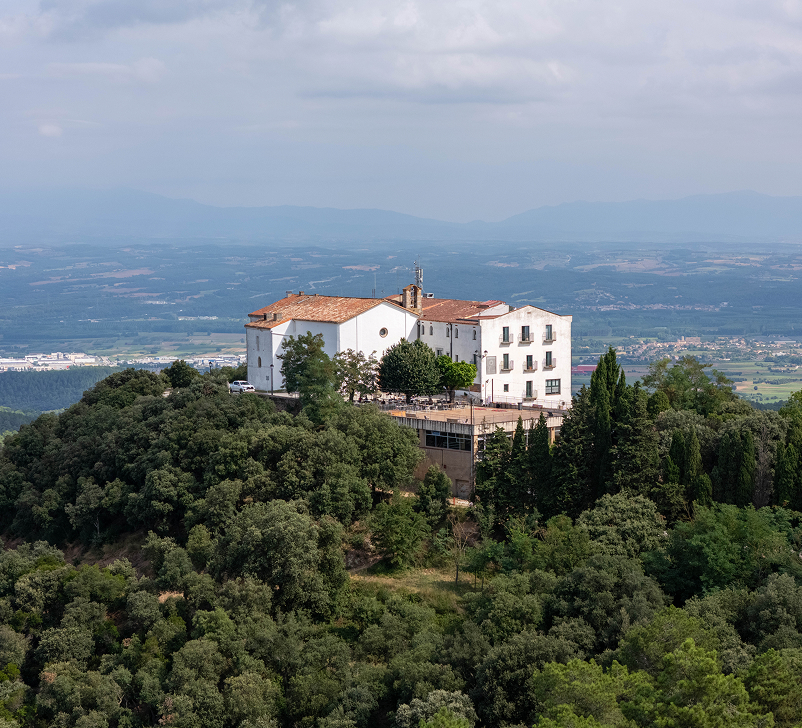
Els Àngels Sanctuary: Sanctuary dedicated to Our Lady of the Angels, a meeting point for hikers and locals. Gala and Dalí were married here, before magnificent views over the plains of Empordà and La Selva, framed by the sea, Montseny, the Guilleries and the Pyrenees.
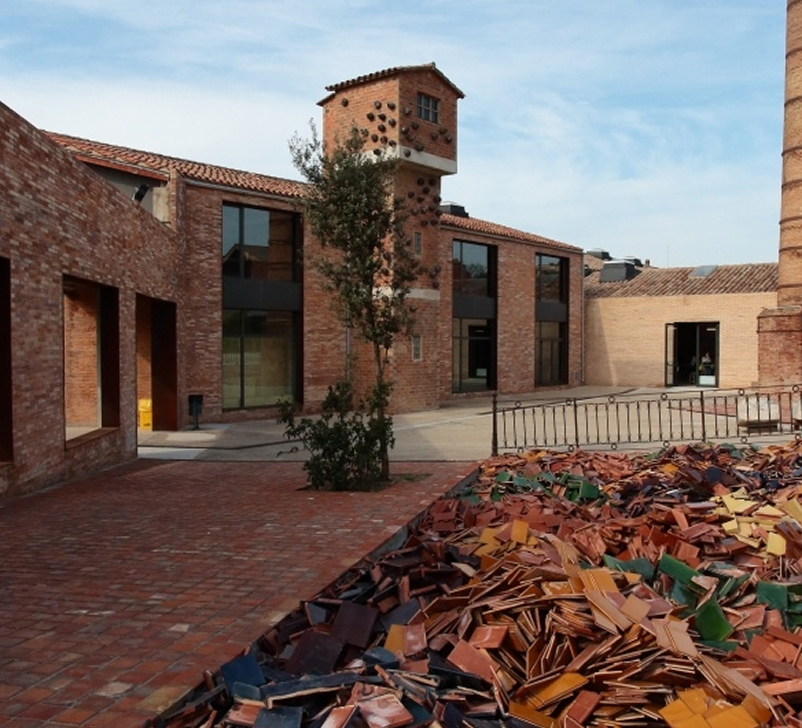
Housed in a former ceramics factory, the museum explores the past and present of this craft in La Bisbal. The visit reveals the wide variety of pieces produced and the outstanding quality of its master ceramists.
The Daró and the surroundings of the Molí d’en Frigola
Sant Sadurní de l'Heura (Cruïlles, Monells i Sant Sadurní de l'Heura)
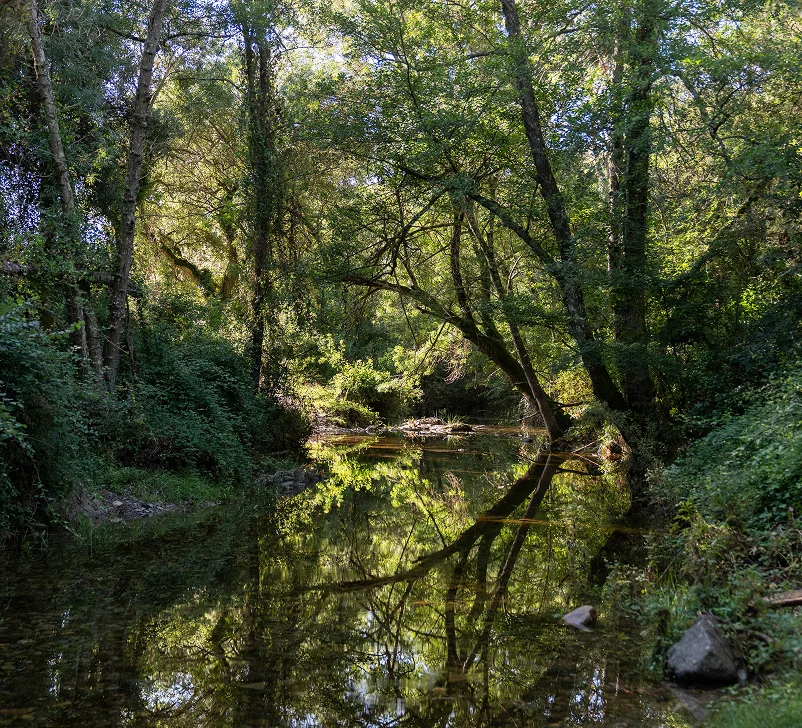
The mill is one of three modern mills located on the Daró River, together with the mill "Molí d'en Ribes" and the mill "Molí d'en Coia". Molí d'en Frigola stands out because it has been declared an Area of Ethnological Interest, in the category of Cultural Asset of National Interest.
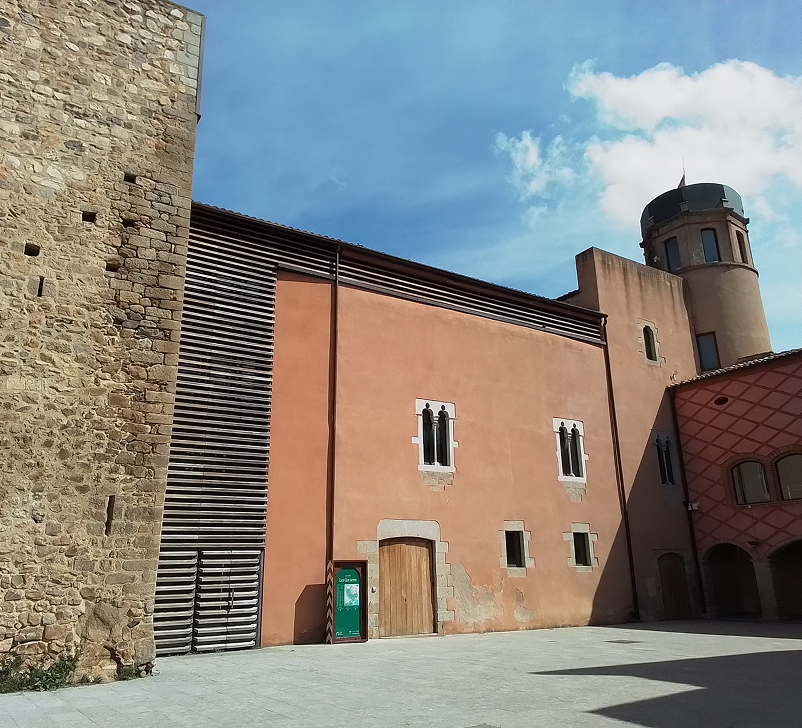
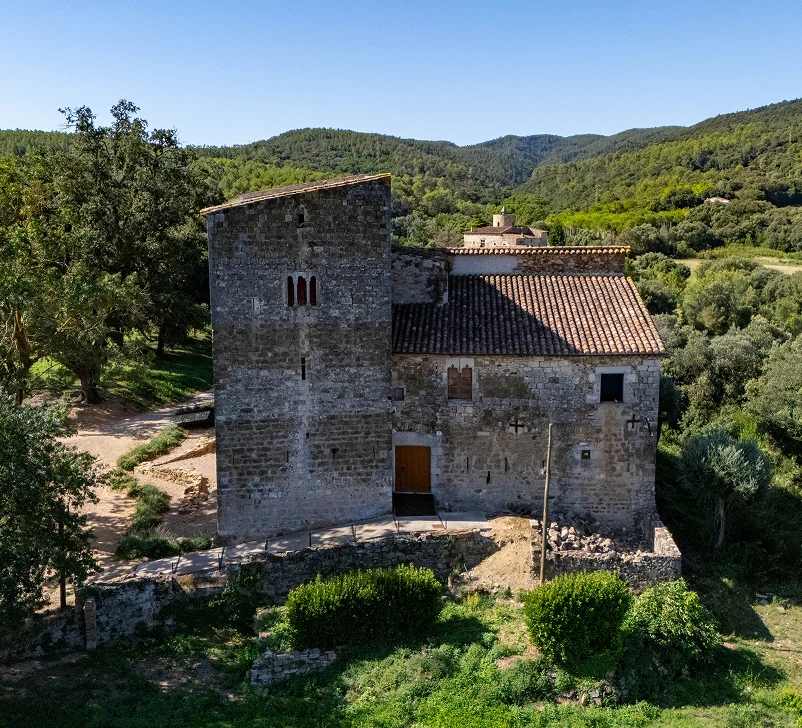
A fortification dating back to the Early Middle Ages, with various later construction phases, it will become one of the Portes de les Gavarres (‘Gateways to Les Gavarres’), dedicated to the natural and cultural values of this area.
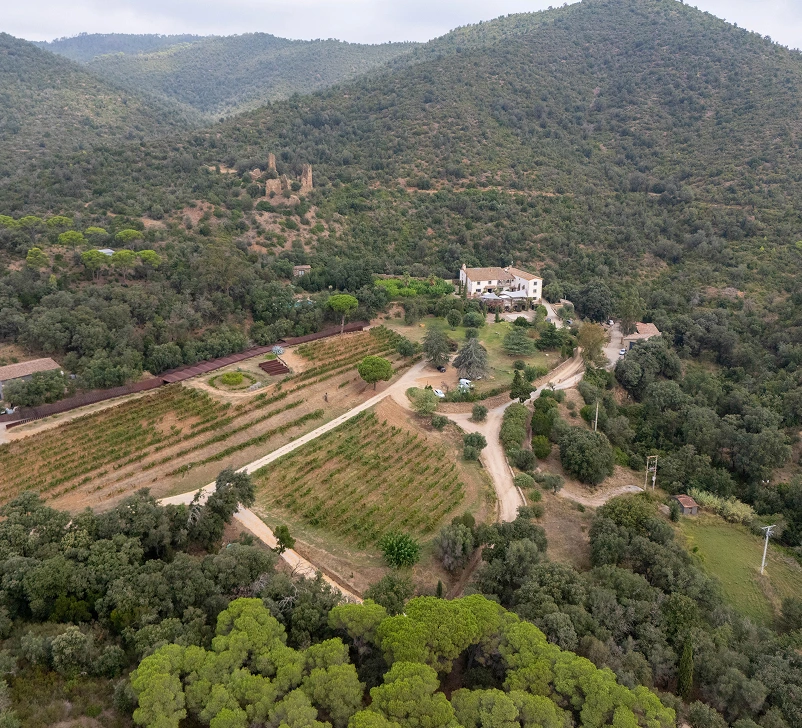
Bell-lloc Valley and the Castle of Vila-romà: The castle lies in ruins and has not been excavated. Its destruction was caused by the French, who blew up all the fortifications during their retreat in the 19th century.