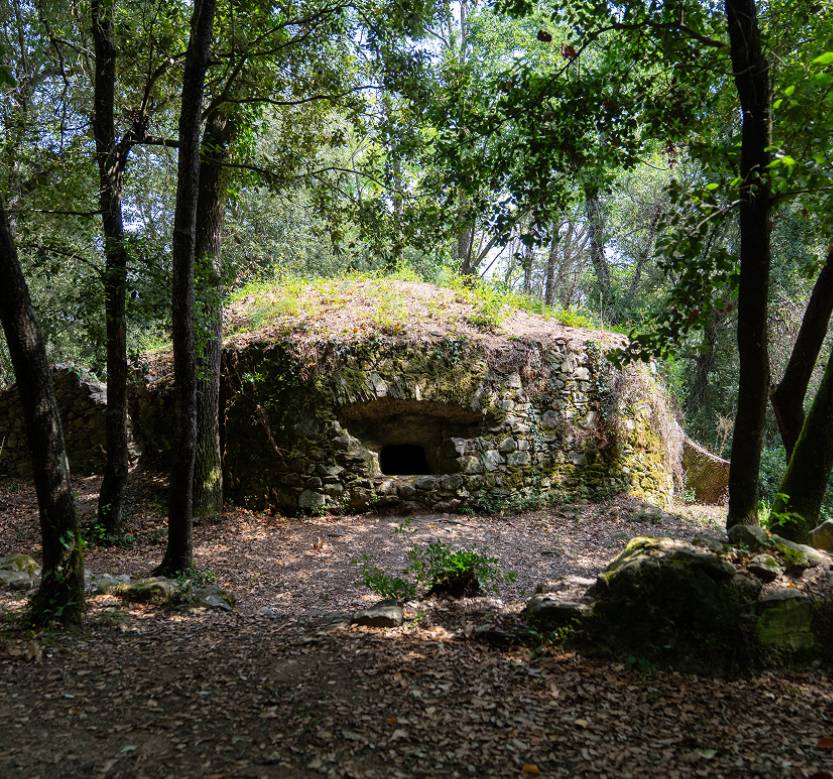
Les Gavarres: nature and culture, landscape and history

Between the Empordà and Gironès regions and close to the Costa Brava coastline lies the Les Gavarres massif. This nature-rich area retains a strong Mediterranean feel. Spanning over 350 km², this massif of gentle shapes and extensive forests is surrounded by cultivated plains and next to the Mediterranean coast. It holds great ecological wealth, a long human history, and a living, accessible cultural heritage.
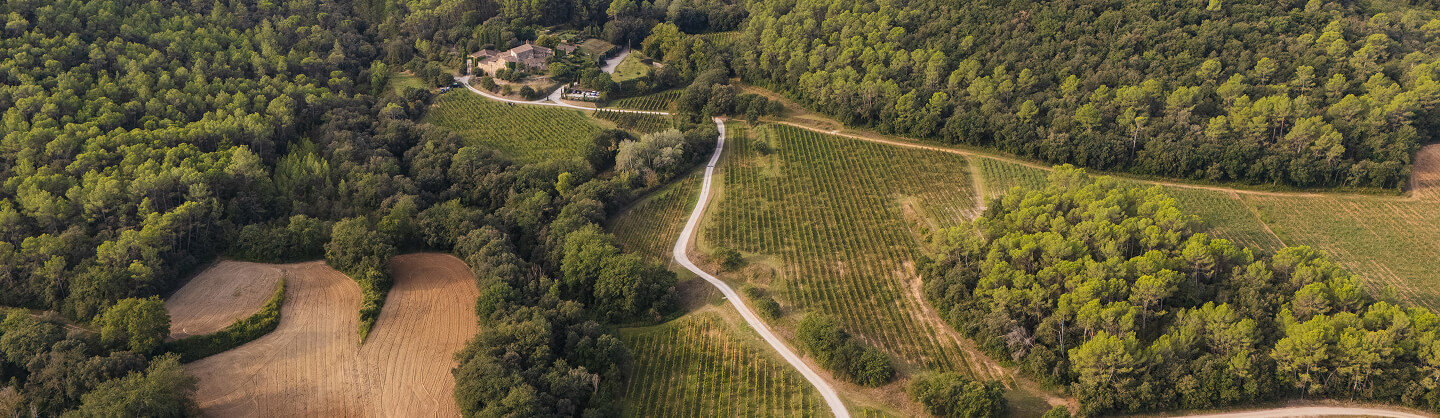
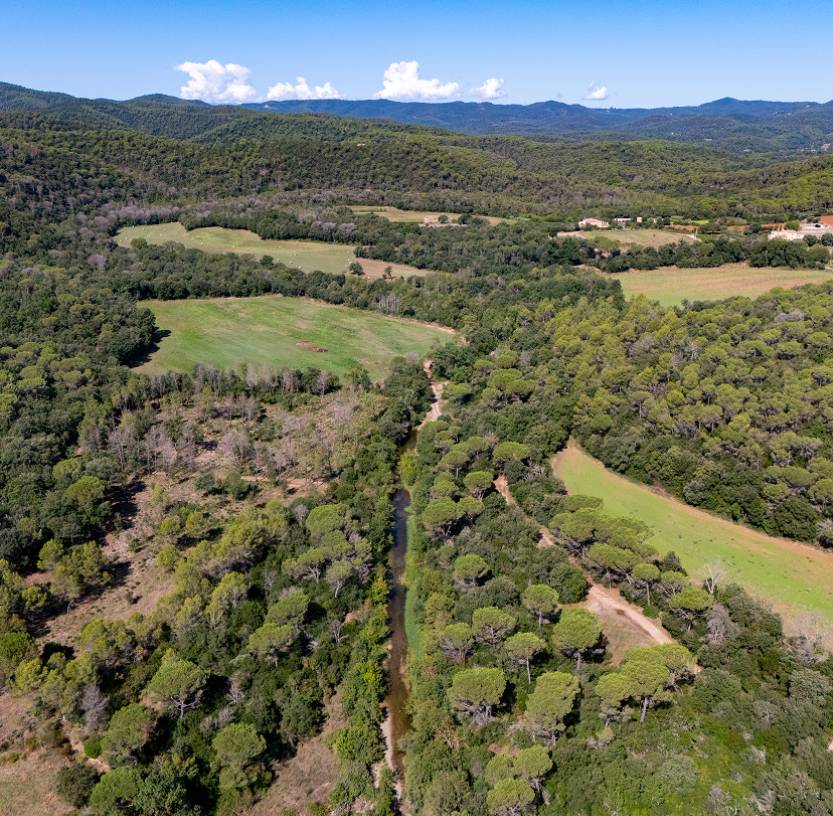
Les gavarres des de l'aire

A landscape with history

Human presence in Les Gavarres dates back more than 5,000 years, with megalithic remains such as dolmens and menhirs. During the Iberian and Roman periods, the areas around the massif were heavily populated, while the interior remained almost uninhabited. It was not until the Middle Ages that the heart of Les Gavarres became organised around parishes and farmhouses. This structure endured well into the 20th century, when forestry activities—firewood, charcoal, cork—were the economic engine of the area.

A rich and diverse natural environment

Les Gavarres is an ancient massif made up of granite, slate, and schist, resulting in a diversity of landscapes, such as narrow, shaded valleys in the north and gentle undulations in the south. The dense and shaded holm oak forests are home to a wide variety of fauna, from birds and amphibians to mammals such as wild boars and badgers. The lighter and sunnier cork oak forests are the ideal habitat for reptiles and insects such as the strawberry tree butterfly. Along the watercourses, alder groves and other riverside woods bring coolness and biodiversity, with frogs, grass snakes, and birds such as the kingfisher. Heathland and pine groves, created through degradation or reforestation, form open spaces that enrich the landscape and its wildlife

A lived-in and worked forest

The relationship between people and the forest has always been close, from the charcoal piles that supplied ovens and kitchens, to the exploitation of cork, which gave rise to a powerful local industry. This coexistence has left behind a rich ethnological heritage, including lime kilns, brickworks, ice wells, mule tracks, springs, and irrigation channels. Part of this heritage has been recovered thanks to local initiatives that value the memory and identity of the territory.

Protection and a sustainable future

Les Gavarres was declared a Natural Area of Special Interest (EIN) in 1992, with almost 29,000 hectares under protection. The Les Gavarres Consortium, created in 1998, ensures the conservation and sustainable management of the massif, with the participation of municipalities, institutions, and local organisations. The objective is to preserve natural and cultural values, encourage environmental education and promote respectful tourism.

fletxa avall

Experience Les Gavarres. A territory to enjoy and protect

Thanks to a network of marked trails and guided activities, it is possible to discover corners full of history, enjoy the biodiversity, and connect with a landscape that has preserved its essence over the centuries.